



 Verified owner



Illinois DMV – Frequently Asked Questions
First-time Illinois driver’s license applicants must meet age, permit, testing, and documentation requirements. Generally, you must:
- Be at least 16 years old (teens follow Illinois’ Graduated Driver Licensing program).
- Hold an instruction permit for at least 9 months and complete an approved driver education course if under 18.
- Pass a vision screening, written knowledge test, and driving test.
- Present acceptable proof of identity, Social Security number (or ineligibility), and Illinois residency.
- Provide proof of insurance for the vehicle used in the road test and pay all required fees.
Adults 18+ may move more quickly from instruction permit to a full license, but they must still meet all testing and documentation rules. Always review the latest checklist before visiting a facility.
Driver’s license fees in Illinois depend on your age and license type (standard Class D vs. commercial, motorcycle, or temporary visitor licenses). A standard 4-year license for most adult drivers is currently around $30, while fees for seniors, commercial drivers, and motorcycle classifications are different.
Because fees can change, always confirm the latest amounts directly with the Illinois Secretary of State before you apply or renew.
In Illinois, you must be at least 16 to obtain an initial driver’s license under the Graduated Driver Licensing (GDL) program, and at least 15 to get an instruction permit. Teens must hold the permit for at least 9 months, complete driver education, and log supervised practice hours before testing for a license.
Drivers 18 and older can move from instruction permit to a full license once they meet all testing and documentation requirements; adults 18–20 who did not complete high-school driver education must complete an approved 6-hour adult driver education course.
When you apply for an Illinois driver’s license, you must present specific documents to prove your identity and eligibility. In general, you’ll need:
- Proof of legal name and date of birth (e.g., birth certificate, passport).
- Proof of Social Security number or ineligibility.
- Two documents showing Illinois residency (utility bill, lease, bank statement, etc.).
- Proof of lawful presence in the U.S. (for non-U.S. citizens).
Teen drivers may also need a driver education completion certificate, instruction permit, practice driving log, and parental consent forms. Requirements can vary, so always use the official identification checklist.
You can schedule a driving test with the Illinois Secretary of State using the online appointment system or by contacting a Driver Services facility. Many locations are appointment-only, especially for road tests, so it’s smart to book in advance.
Before scheduling, be sure you’ve met all requirements for your age group: valid instruction permit, driver education (when required), and completion of any practice-hour minimums. On test day, arrive early with your permit, proof of insurance, and a properly registered, safe vehicle.
To get an Illinois instruction (learner’s) permit, you typically must:
- Be at least 15 years old for a teen permit.
- Be enrolled in or have completed an approved driver education course (teens).
- Visit a Secretary of State facility with a parent/guardian (if under 18).
- Provide required identification, Social Security number, and residency documents.
- Pass a vision screening and written knowledge test.
- Pay the applicable permit fee.
Your learner’s permit allows you to practice only when supervised by a qualified, licensed driver and is subject to GDL restrictions such as night-time and passenger limits for teens.
If you are under 18 in Illinois, you must log at least 50 hours of supervised driving practice, including a minimum of 10 hours at night, before you can take the road test and move from a permit to an initial license.
These are minimum requirements—more practice is strongly recommended so you’re confident with everyday driving skills, highway driving, and challenging conditions such as rain or heavy traffic.
To get ready for the Illinois road test, combine strong knowledge of traffic laws with real driving practice. Focus on:
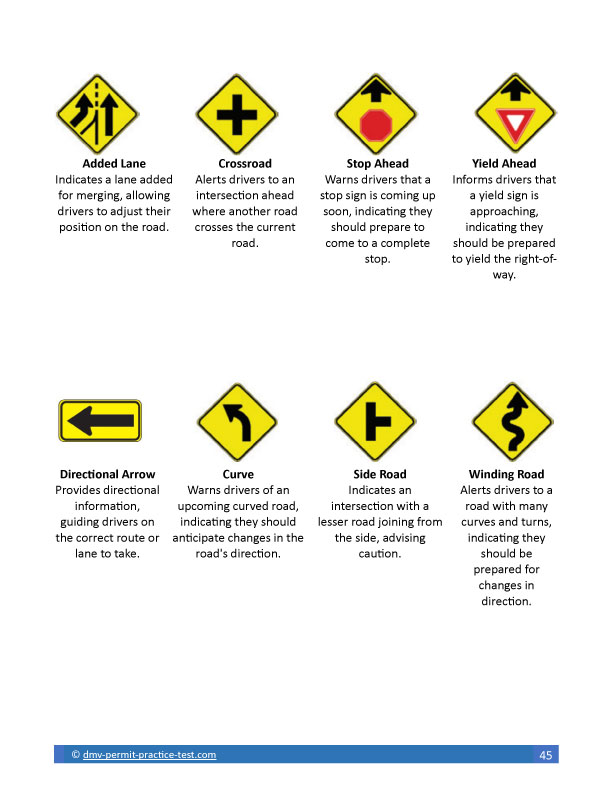
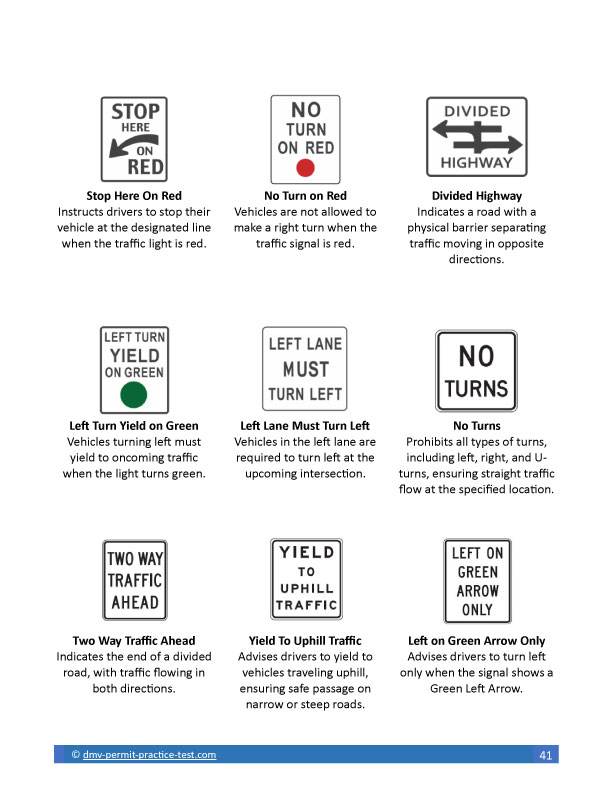
- Reading the Illinois Rules of the Road handbook and knowing signs, signals, and right-of-way rules.
- Practicing smooth turns, lane changes, parking, backing up, and safe following distances.
- Making complete stops, checking mirrors and blind spots, and using turn signals correctly.
- Driving in a variety of conditions—city streets, higher-speed roads, and night driving.
Consider a driver education course or extra lessons if you’re still unsure about any maneuver—confidence and consistency matter on test day.
Some of the most common reasons applicants lose points or fail the Illinois road test include:
- Rolling stops at stop signs or red lights instead of stopping completely.
- Not checking mirrors and blind spots before lane changes, turns, or pulling away from a curb.
- Speeding or driving unreasonably slowly for the posted limit and conditions.
- Failing to signal turns, lane changes, or merges.
- Ignoring or misjudging right-of-way for pedestrians, cyclists, or other vehicles.
- Harsh braking, abrupt steering, or generally unsafe vehicle control.
Practice defensive driving, stay calm, and listen carefully to the examiner’s instructions to avoid these errors.
Yes. You may use your own vehicle for the road test as long as it is properly registered, insured, and in safe working condition. The examiner will check that:
- License plates and registration are valid.
- Lights, turn signals, brake lights, horn, mirrors, and windshield wipers work correctly.
- Seat belts are available and functional for both you and the examiner.
If you only hold an instruction permit, a properly licensed driver must drive the vehicle to and from the testing facility.
If you do not pass the Illinois road test, the examiner will explain the main reasons you did not meet the standard. Your instruction permit remains valid (as long as it is not expired), and you can continue practicing.
You are generally allowed up to three attempts within one year under the same application and fee. You’ll need to schedule another road test appointment, and a retest fee may apply. Use the examiner’s feedback to practice the specific skills that need improvement before you try again.
Yes. Illinois uses a Graduated Driver Licensing (GDL) system for drivers under 21, with specific rules for each stage.
- Permit phase (age 15+): You must drive with a supervising licensed adult, obey a night-time curfew, and may not use electronic devices while driving.
- Initial license phase (under 18): Passenger limits (usually one non-family passenger under 20 for the first 12 months), night-time driving restrictions, and continued bans on phone use apply.
- Full licensing: After meeting age and clean-record requirements, most restrictions are removed.
Violations of GDL restrictions can result in fines, extended restrictions, or license suspension, so review the rules carefully.
No. First-time Illinois driver’s licenses must be applied for in person at a Secretary of State Driver Services facility so the office can verify your documents, test you, and capture your photo.
You can, however, use the online system to find a facility, schedule an appointment, complete certain pre-application steps, and manage other services like address changes or some renewals.
Maybe. An Illinois learner’s permit is valid in Illinois, but whether you can use it in another state depends on that state’s laws. Some states honor out-of-state learner’s permits, while others do not.
Before driving in another state, check that state’s DMV website or contact them directly to confirm their rules. Wherever you drive, you must follow both Illinois permit restrictions and the laws of the state you’re visiting, and you should always be accompanied by a qualified supervising driver.
In Illinois, license validity depends on your age:
- Under 21: License generally expires 3 months after your 21st birthday.
- Ages 21–80: Licenses are usually valid for 4 years and expire on your birthday.
- Ages 81–86: Licenses are valid for 2 years.
- Age 87 and older: Licenses must be renewed every year.
Always confirm the expiration date printed on your license and review current renewal rules, as requirements can change.
Many Illinois drivers can renew their licenses online if they receive a renewal notice stating they are eligible (often called “Safe Driver Renewal”). Generally, your license must be valid (not expired for more than one year), and certain medical or testing requirements cannot apply.
If you are not eligible for online renewal, you must renew in person at a Driver Services facility and may need to complete a vision screening, written test, or road test depending on your age and driving record.
International students and foreign residents may qualify for either a standard Illinois driver’s license or a Temporary Visitor Driver’s License (TVDL), depending on immigration status and eligibility for a Social Security number. In general, you must:
- Show proof of lawful status or long-term Illinois residency (passport, visa, I-94, or other immigration documents).
- Provide required identification and Illinois residency documents.
- Obtain an instruction permit if you have no prior U.S. license, then pass vision, written, and road exams.
- Pay the appropriate fee and have your photo taken at a Driver Services facility.
Requirements differ by status, so review the Illinois Secretary of State’s guidance for non-citizens and TVDL applicants before you apply.
Yes. An Illinois learner’s permit (instruction permit) lets you practice driving under supervision, while an Illinois driver’s license allows you to drive independently (subject to any age-based restrictions).
- Learner’s permit: Typically for new drivers; must be accompanied by a qualified, licensed adult; subject to curfew, passenger, and phone-use restrictions.
- Driver’s license: Allows unsupervised driving. For teens, GDL rules may still apply (night-time and passenger limits) until they qualify for a full license.
You must pass the required tests and meet practice and age requirements before moving from permit to license.
Yes. All Illinois driver’s license applicants must pass a vision screening. In most cases, you must demonstrate at least 20/40 visual acuity in one or both eyes, with or without corrective lenses, and adequate peripheral vision to drive safely.
If you need glasses or contact lenses to meet the standard, your license will be restricted accordingly. Applicants who do not meet the minimum standard may be referred to an eye specialist and could be denied a license or issued a restricted license, depending on the results.
In many cases you can use a rental car for the Illinois driving test, but there are important conditions:
- The rental must be properly registered and insured.
- You must bring the rental agreement, and it should clearly allow the vehicle to be used for a driving test and list you as an authorized driver.
- The car must be in good working order with functioning lights, signals, brakes, horn, and seat belts.
Policies can vary by location, so contact your test facility ahead of time to confirm they allow rental vehicles for road exams.
If you fail the Illinois road test, you may retake it after a waiting period set by the testing facility and subject to appointment availability. Many drivers wait about a week or until the next open appointment to try again.
Illinois law generally allows up to three attempts within one year under a single application fee. After multiple failures, you may be required to reapply or complete additional training before testing again, so use the time between attempts to practice and address any weak areas.
For the Illinois written knowledge test (for a permit or license), bring the same core documents required for a new driver’s license, including:
- Proof of identity and date of birth.
- Proof of Social Security number or ineligibility letter.
- Two documents showing Illinois residency.
- Proof of lawful presence in the U.S. (for non-U.S. citizens).
Teens may also need a parent/guardian, driver education documentation, and an instruction permit application. Check the official ID checklist for your situation before your visit.
Yes. The Illinois knowledge (written) test is offered in several languages in addition to English, such as Spanish, Polish, Chinese, and Korean at many Driver Services facilities. Availability may vary by location.
If you need language assistance, confirm your options when you schedule your visit. In some cases, you may be allowed to bring an interpreter or use additional language support as approved by the Secretary of State.
If you do not pass the Illinois written knowledge test, you can retake it. Some facilities may allow another attempt as soon as the next business day, depending on scheduling and how many attempts you’ve already made.
State rules limit you to three attempts within a one-year period under the same application. If you still have not passed after that, you may need to reapply and pay a new fee. Take time to carefully review the Illinois Rules of the Road and use quality practice questions before trying again.
After failing the written test in Illinois, you may be able to retake it as early as the next business day, depending on the facility’s policies and appointment availability. Each attempt may require a new appointment and, in some cases, a retest fee.
Within a one-year period, you are usually limited to three attempts under a single application. If you still haven’t passed by then, you’ll need to start the process over—so use any waiting time between tests to study carefully and focus on the topics you found most difficult.